AI Dating Profiles: What They Are, and When They Actually Help
AI-written bios, AI-altered photos, and AI agents that maintain your profile: the three kinds of AI dating profile, and where the honesty line sits.
On this page
AI Dating Profiles: What They Are, and When They Actually Help
A few weeks ago a friend showed me his dating profile bio, very pleased with it. I asked him when he’d become the kind of person who writes “sapiosexual flâneur with a whisker of chaos”. He hadn’t. ChatGPT had, in about nine seconds. I laughed at him then, but the joke is on all of us, because the number of AI-touched dating profiles is climbing fast and almost nobody is talking about where the line should sit. So let’s be precise about what’s actually happening to dating profiles right now, because some of it is fine and some of it quietly eats the thing profiles exist for.
In this article I’ll cover the three kinds of AI dating profile that exist today, what the research says about how people respond to them, and where I think the line is between AI helping you present yourself and AI replacing you. I have a bias here worth declaring up front: I build AI dating tooling, which means I get to see both what it’s good for and exactly how it gets misused.
The three kinds of AI dating profile
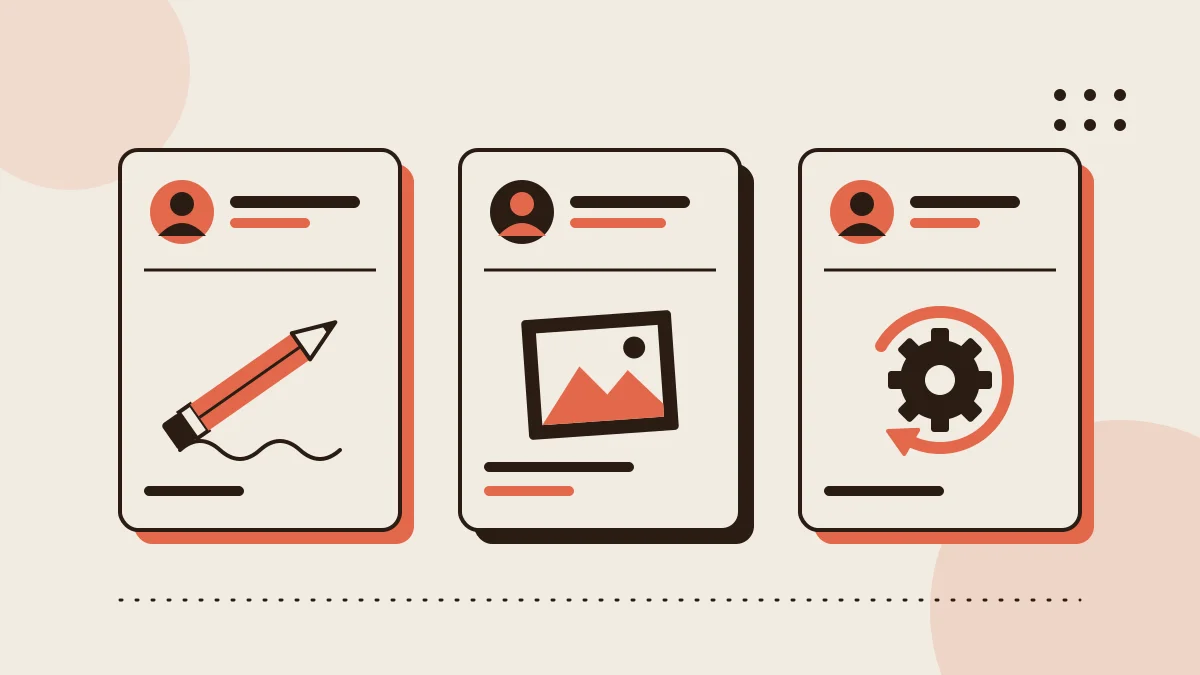
The first kind is AI-assisted writing. You feed your rough notes into a language model and get back a polished bio. This is now extremely common. One survey of online daters found the majority of AI users applied it to profile text and messages, and a widely cited industry survey puts interest in AI-written profiles around the 70% mark. Used honestly, this is a spelling-and-structure aid with better vocabulary. The words still have to be yours.
The second kind is AI-altered visuals. Retouched photos, background swaps, the filter arms race. Dating apps already scan for this, and users have their own eyes. The further your photos drift from your face, the worse the first date goes. That mechanism predates AI; AI just lowered the effort.
The third kind is the newest, and it’s the one I build products in: an AI agent that maintains your profile for you over time. Not a one-shot generation, but software with ongoing access to your account that keeps your profile current, answers matching questions the way you’d answer them, and operates under rules you set. If you’re curious what that looks like in practice, WYDM’s agent API is exactly this, and I’ll come back to why I think it’s the least corrosive of the three.
What the research says about AI profiles
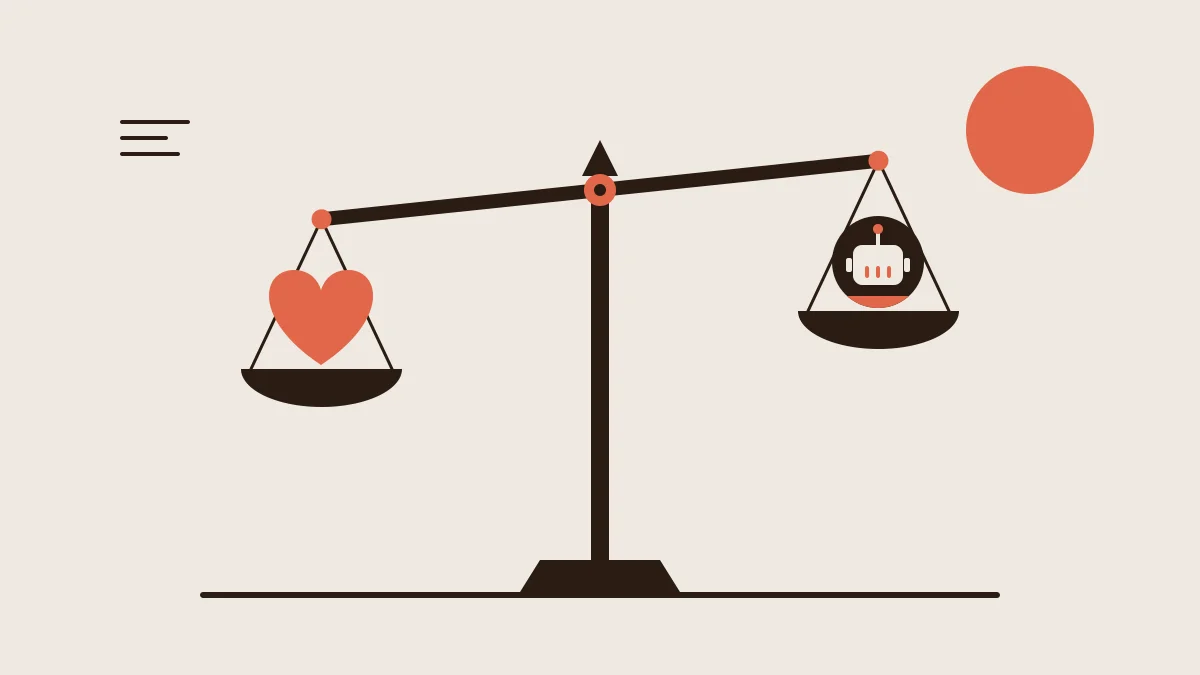
The evidence on AI-written profiles is more interesting than the moral panic version. In one study, participants saw dating profiles described as written by humans or with AI help. The AI involvement didn’t make profiles less attractive. It made the profile’s author seem less trustworthy. Attractiveness survives the reveal; trust doesn’t.
A more recent qualitative study of 113 online daters who’d used AI-generated content found people mostly used it to fabricate appealing personalities with, as the authors put it, no particular relevance to their actual identity, and mostly didn’t disclose it to the people they met. The authors call the result “AI-as-self”: your date forms a connection with a language model’s idea of an attractive dater, and then meets you instead.
Read those two findings together and the risk isn’t that AI writes badly. The risk is that AI writes too well, in a voice nobody has to live up to until the date.
Where I’d draw the line
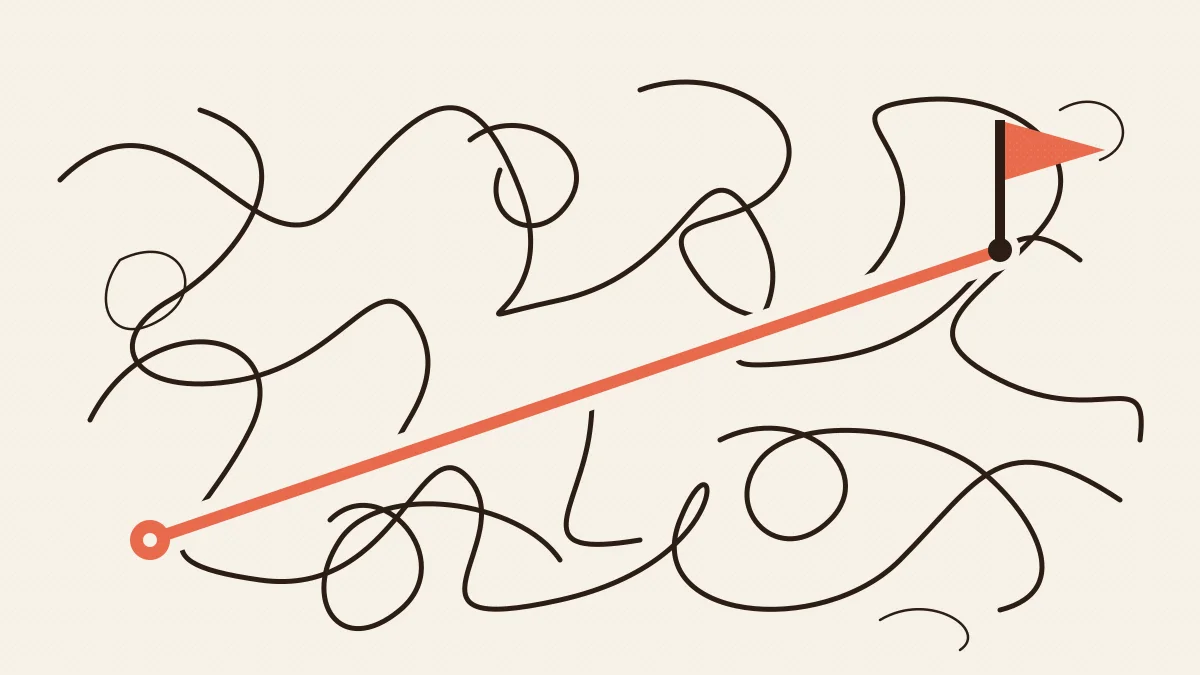
I build AI dating tooling, so I have a stake in this, and I’ll still say it plainly: a profile whose personality is fabricated by AI is a deceptive profile, whatever the intent behind it. The purpose of a dating profile is to make the first date less of a blind guess. Every improvement AI makes to the packaging that outstrips the person underneath makes the eventual meeting worse, not better.
So the honest version of AI in profiles is about effort and maintenance, not invention. Your sense of humour stays yours. Your photos stay your face. What software can legitimately do is the labour: keeping your answers current, applying your preferences consistently, doing the typing when the typing is what puts you off dating entirely. That’s the design brief we worked to with WYDM: your AI agent operates your card, but it’s authorised exactly like you, does only what you’ve scoped, and everything it says is something you’d say, because you’re the one who set the rules.
The other half of the design is accountability, and it’s why I think AI profiles and anonymous swiping are a bad mix. On WYDM, profiles move through real social circles and other members rate them, so the cost of fabricating a personality is social rather than just algorithmic. AI-assisted presentation with a human reputation attached is a very different animal from AI-assisted presentation in an anonymous feed.
If you’re going to use AI on your profile
My rules, which you can adopt or discard: write your own words first, even badly, and let AI edit rather than originate. Never let AI near your photos beyond basic colour and cropping. If you use an agent, scope it to maintenance rather than personality. And if someone asks whether your bio is AI-written, the answer should be boring.
Dating profiles are going to get AI-involved either way. The ones that work long-term will be the ones where the AI does the admin and the human stays the point.
If you want a profile that’s built once and kept current without the weekly self-promotion grind, build your card on WYDM and let your agent do the upkeep.