How to Vet Someone Before a First Date
Ten minutes of checking before a first date changes your risk: reverse image search, a video call, and a friend who knows your plan.
On this page
Meeting a stranger from the internet is the most normal thing in the world now, and I think we’ve normalised it faster than we’ve learned to protect ourselves in it. You match on Monday, text on Tuesday, meet on Thursday. I’m not telling anyone to stop. Ten minutes of checking before the date changes what can happen to you, and none of it takes detective skills.
The numbers back me up. Pew Research Center surveyed U.S. online daters in 2023. A majority of women under 50 who had used dating sites or apps said they received unwanted explicit messages or images through those platforms. The same survey found users were twice as likely to say the companies behind the apps do a bad job of removing bots and fake accounts than a good one. I take two things from that: the platforms won’t vet your match for you, and you can.
Cross-check the profile
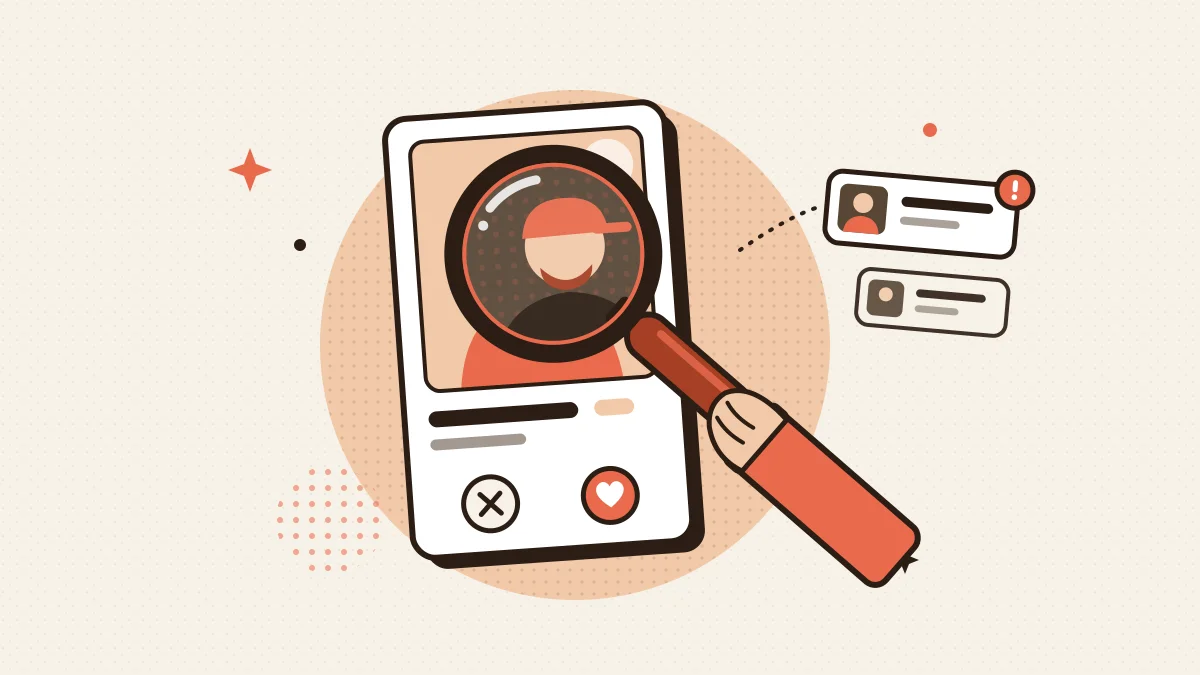
I start with the photos. Run them through a reverse image search, because stolen photos show up on other profiles wearing other names. It’s the classic online dating catfish, and one search catches it. Then search the name they gave you with the city and the job. A LinkedIn profile or a local news mention tells you the person exists. A name with zero footprint anywhere deserves a question, not an accusation.
The chat itself is evidence if you read it back. People misremember details. Scammers contradict them. Weeks of conversation holds together or it doesn’t, and reading it in one sitting makes the seams show.
Get on video before you meet
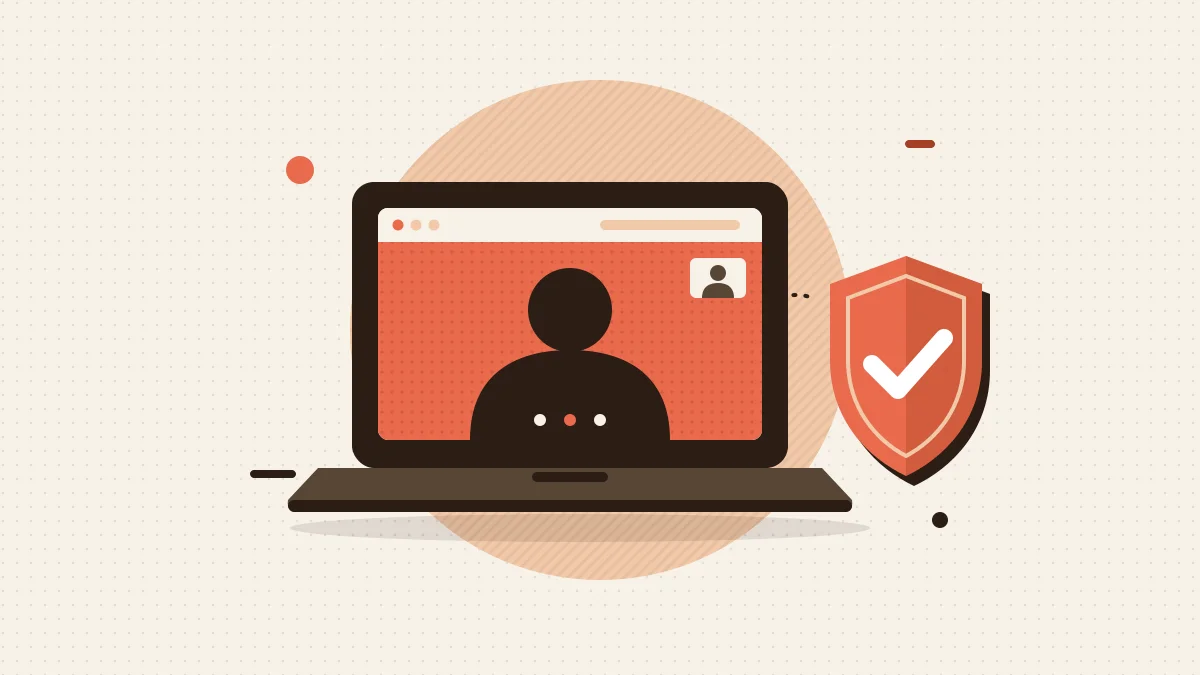
This is the step I’d keep if I could only keep one. Live video costs an honest person five minutes and costs a fraud the whole con. A short call confirms the face and the voice behind both.
The Federal Trade Commission tracks romance scams, and the signs stay the same: weeks of chat, warm words, the same excuses whenever you try to meet or call. Americans reported $1.14 billion lost to romance scams in 2023, with a median loss of $2,000 per person. If every request for a video call meets a stack of excuses, you have your answer: no.
Move with your money off the table
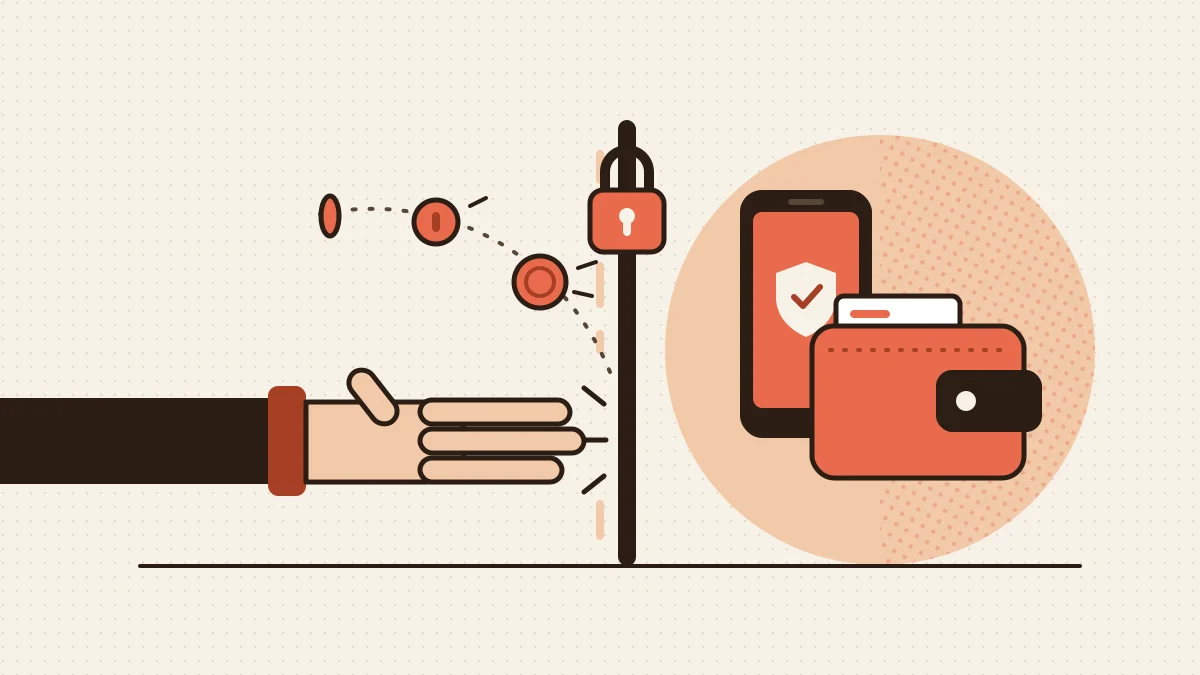
Two rules cover most of the fraud, and I like them because they’re binary.
Anyone you have never met who asks for money, gift cards, crypto or a bank transfer is running a scam. No exception survives the meeting test.
Keep the conversation inside the platform until you have met in person. The FTC found 40% of romance-scam losses in 2022 began on social media, and many scammers rush the conversation to WhatsApp, Google Chat or Telegram, where no app can see the con.
Tell someone your plan
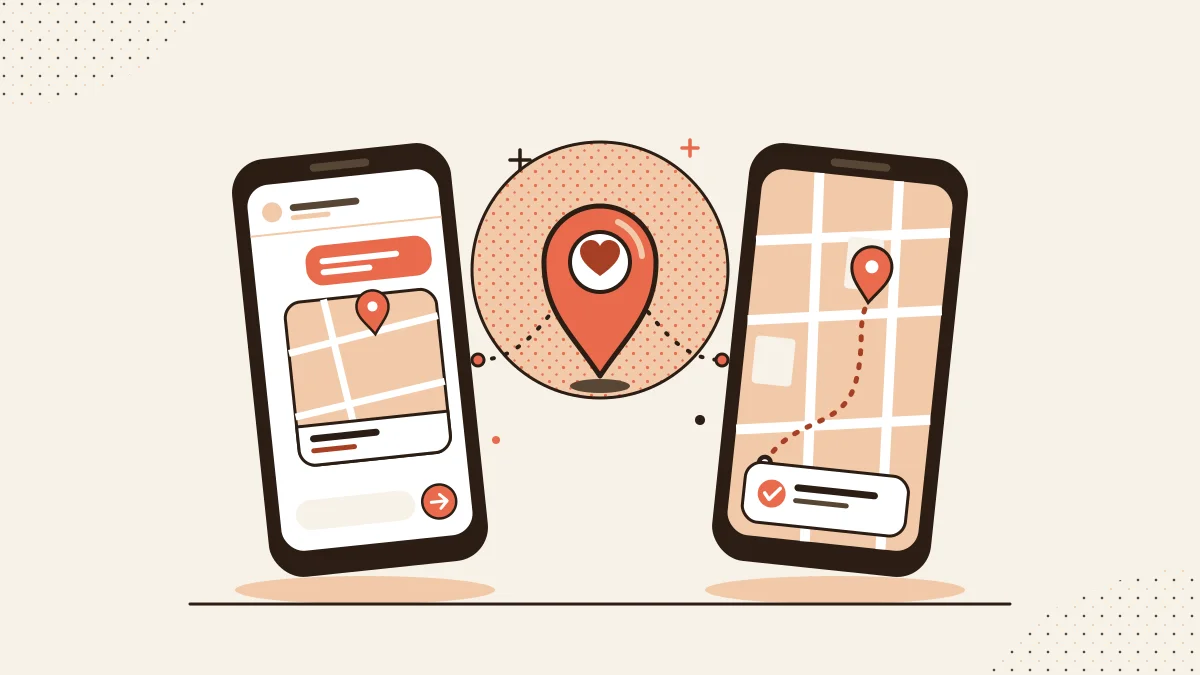
Send a friend the name and the venue with a screenshot of the profile, and share your location with one trusted person for the evening. Meet in public. Arrange your own way there, and leave if the person deviates from what they told you. This part costs nothing and buys the most.
A scoping review in the journal Trauma, Violence, & Abuse examined twelve studies of harassment on dating apps and found prevalence between 57 and 88.8%, with women and sexual minorities at highest risk. The planning you do before the date is the control you keep during it.
The checklist, compressed: search the photos and the name, get on video, tell a friend, meet in public. Ten minutes, every time, before you sit down with someone the internet handed you.
Why the door matters more than the lock
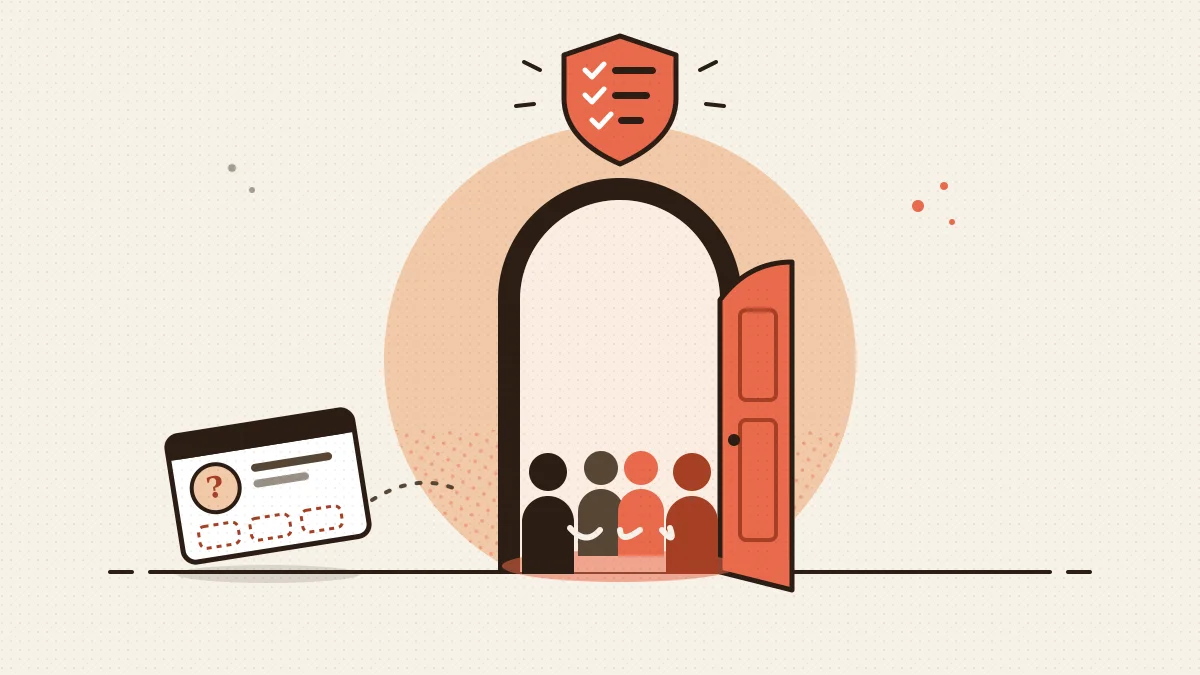
Every check on this list is you, alone, verifying a stranger. It works, but it puts the whole burden on the evening of the date. I’d rather change who gets to the door. Verification badges on a profile help, but the bigger safety layer is in how you meet people at all. Dating inside a shared circle changes the math: a friend can vouch for the person or tell you who they are, and a stranger with no references doesn’t get past the door.
That’s the reason I built WYDM around people instead of algorithms. The people who share your profile card into their circles are doing the vetting a checklist can only imitate. Dating app safety shouldn’t be a feature you pay extra for. It works better as the default way people meet.
Build my card and let the people who know you do the introducing.